
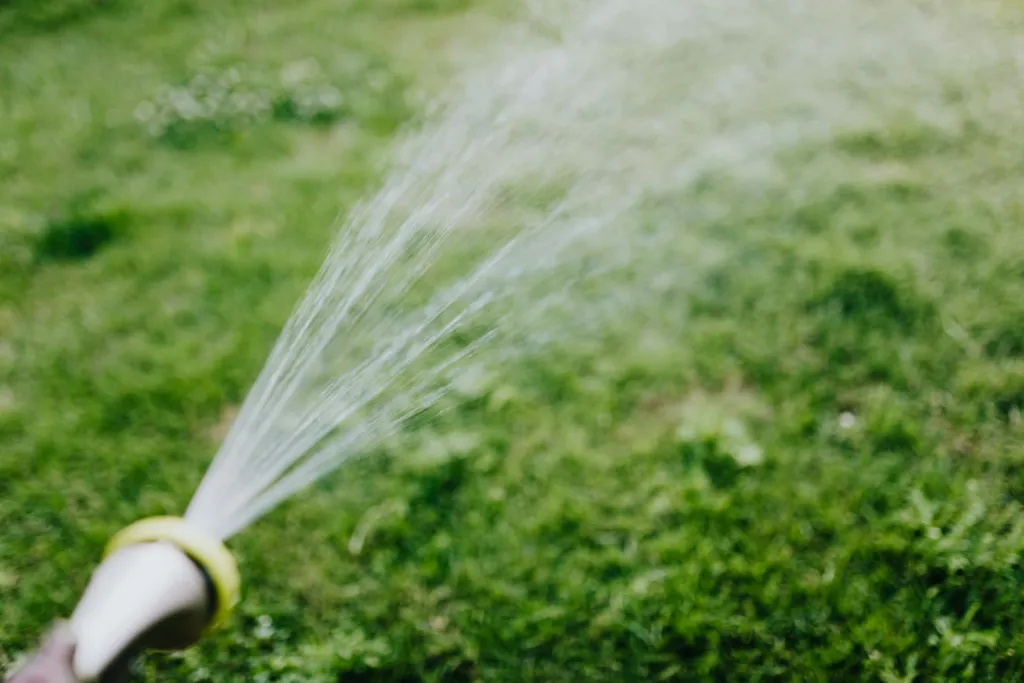
What’s the Best Time to Water Grass in West Palm Beach, FL?
Watering Tips for Different Seasons, Soils, Etc.
Watering your lawn sounds like the easiest thing ever. Just flip on the sprinklers and move on. If only it worked that way. Getting that truly resilient lawn means paying attention and making a few smart changes.
Living in West Palm Beach, we deal with some unique stuff. That’s why this guide from Island Environmental is packed with local know-how, including the best time to water grass and seasonal tips.
Your Lawn’s Needs Aren’t One-Size-Fits-All
Before you even think about setting that timer, remember: every lawn’s different. Treating them all the same is like giving everyone the same medicine—it just doesn’t work.
First up, the soil. Everything starts here.
Sandy soil: Think of it like a kitchen strainer. Water drains fast, so the roots don’t get enough time to drink. You need to water more often, but keep it short.
Clay soil: More like a sponge that takes its sweet time soaking up water. It holds on to moisture, but pour too much at once and it just runs off. Slow and deep wins here—water less often, but for longer.
Loamy soil: If you’ve got this, you’ve hit the jackpot. It drains well but holds enough moisture. You can pretty much follow the usual guidelines.
Grass type matters, too.
Warm-season grasses (like St. Augustine, Bermuda, Zoysia): These guys are built for Florida. They love the heat and don’t freak out when it gets dry. They do best with a good soaking now and then, not constant light watering.
Cool-season grasses: Not so common here, and honestly, they struggle in the summer. They need more frequent watering to survive the heat.
Don’t Forget the Seasons
- Spring: Grass wakes up and rain usually does most of the work. Only water if it’s dry for more than five days.
- Summer: This is crunch time. Hot sun, tons of evaporation. Water deep, early in the morning, no exceptions.
- Fall: Things slow down. Cooler, shorter days mean the lawn doesn’t need as much. Watch the weather and your grass.
- Winter: Not much happening. Only water if it’s warm and dry, and temps are above 40°F.
Deep & Infrequent is The Watering Secret
Here’s the most important part: water deep, but not too often. You want those roots chasing water down into the soil.
Why not just sprinkle every day? Because light, daily watering only gets the top inch wet. Roots stay shallow and weak, which means your lawn is toast when things heat up or dry out.
But when you soak it 2-3 times a week (and count the rain), roots stretch deep, looking for moisture. That’s what makes your lawn tough enough to handle the worst Florida throws at it.
So, how much is “deep”? Shoot for about 1 to 1.5 inches of water a week, rain included. That should wet the soil down 6-8 inches, where roots really want to grow.
A Trick Worth Trying: Cycle & Soak
Want to avoid wasted water and runoff, especially on slopes or with clay? Try the cycle and soak method. Don’t just run the sprinklers for one long stretch. Instead:
Let each zone run about 15-20 minutes. Shut it off for 30-60 minutes so the water can sink in.
Then run it again for another 15-20 minutes.
This way, the soil actually absorbs the water, and you don’t end up with puddles.
Timing Matters With Watering
Deep and infrequent is the “how.” Timing is the “when” that makes your watering count.
The worst time? Middle of the day, between 10 a.m. and 4 p.m. Watering then is basically throwing money in the air. Up to half can just vanish before it even hits the soil. It’s not worth it.
The best time to water grass in Florida? Early morning, between 5 and 10 a.m. The air’s still cool, there’s barely any wind, and the sunlight isn’t harsh yet. Water can actually reach the roots instead of drifting away.
The acceptable backup? Early evening, from 4 to 6 p.m. If you water too late, the grass stays wet all night, and that’s basically an open invitation for fungi and pests. If you have to water in the evening, start early enough so the grass has some time to dry before dark.
How to Read Your Lawn: A Quick Visual Guide
Your lawn’s not shy about telling you what it needs—you just have to know how to listen.
Signs of Thirst:
- The color starts to fade from a bright green to a dull grayish or blue-green.
- Walk across the grass. If your footprints stick around and the blades don’t pop back up, it’s thirsty.
- Blades may curl, fold, or look limp.
- Growth slows down or stops.
Signs of Too Much Water:
- The ground feels soggy or squishy long after you water.
- Water runs off onto sidewalks or driveways instead of soaking in.
- Mushrooms, algae, or a slimy film start popping up.
- The grass turns yellow, gets thin, and you might see bare spots as roots rot.
- Wet soil attracts weeds like nutsedge and pests like grubs.
Smart Watering & Lawn Care for Florida
Living in South Florida means you’ve got to respect water. Saving it just makes sense, for your lawn and for your wallet.
Use a smart irrigation controller: These Wi-Fi gadgets adjust watering based on real-time weather. They pause for rain, cut back when it’s cool, and basically take the guesswork out of keeping your lawn happy.
Install a rain sensor: This is an easy, must-have upgrade. When enough rain falls, it shuts your system off right away. You’ll see savings almost immediately.
Switch to drip irrigation for beds: For gardens, shrubs, and trees, drip lines or soaker hoses put water right at the roots. That cuts evaporation by up to 60% compared to sprinklers.
Aerate once a year: Core aeration pokes holes in compacted soil so water and nutrients can actually reach the roots. If your lawn takes a beating or sits on heavy clay, this is a game changer for water absorption.
Add mulch: In beds and around trees, a 2-3 inch mulch layer keeps moisture in and chokes out weeds that steal water.
Right plant, right place: Choose native or Florida-friendly plants and drought-tolerant grasses. They’re built for the climate and won’t need much extra water once they settle in.
Special Watering Situations
Fresh sod or seed is needy. Water it lightly 1-2 times a day to keep the top inch of soil moist (but not soggy) until it sprouts and the roots set. After the first mow (usually when it hits 3 inches), start spacing out watering sessions and soak deeper to help those roots grow strong.
Also, water restrictions can happen. When they do, focus on deep watering only on your assigned days. Use the “cycle and soak” trick. Water in short bursts, let it soak, then repeat. Letting your lawn go a little dormant is fine. Skip the urge to sneak in quick, light waterings, which do more harm than good.
Simple DIY Watering Checks
You don’t need fancy equipment to see if you’re watering right.
Tuna Can Test
Set out a few empty tuna cans (or rain gauges) in different spots on your lawn. Run your sprinklers. When the cans collect an average of 1 to 1.5 inches, you’re good. If the water’s uneven, now you know where to adjust.
Screwdriver Test
About 30 minutes after you water, grab a long screwdriver. Push it into the soil. It should slide in easily down a few inches. If not, you’re not watering deeply enough.
Let the Professionals Handle Your Lawn Care Needs
Now you know when the best time to water grass and a lot more. You should also know that the best time to call us for lawn care, pest control, and more is as soon as possible. Reach out to Island Environmental today! We proudly serve the greater West Palm Beach area, ensuring high-quality lawn care and pest control services for these communities: