Call now for an exclusive offer! (561)749-0166

GroGreen


Rodent Control Services

Island Environmental provides professional rodent control that restores comfort and peace of mind. Our focus is simple. First, we remove the rodents that are already inside. Then we help close off entry points and conditions that allowed them in so the problem is less likely to return.

Call 561-749-0166 or fill out the form below to be contacted by one of our specialists!

Call Us
Submit Form
Text Us

Call us today

It’s never been easier to have reliable pest control. Call today to lock in your savings. Time is running out!

(561)749-0166

Call 561-749-0166 or fill out the form below to be contacted by one of our specialists!

Text Message Scheduling

Opt into our text messaging platform to begin your program and schedule with us today!

Name(Required)

Hearing scratching in the walls, spotting droppings under the sink, or seeing something dart across the garage is more than a little unsettling. Once rats or mice move in, they hide in hard to reach areas and multiply quickly, which makes them difficult to control with store bought products alone.

You can expect clear explanations, honest recommendations, and service that is conscious of both family and pets. Local, state licensed technicians design a program for your home, with options for follow up visits and re service style guarantees so you feel confident the issue is under control.

Why Rodents Are a Problem?

Warm, humid coastal climates give rodents everything they need to thrive. Mild winters mean they stay active for most of the year instead of slowing down for long stretches. Thick landscaping, mulch beds, palm fronds, and shaded areas create natural cover and nesting spots right along foundations and fences.

As neighborhoods grow and older properties are updated, natural habitats are disturbed. Rodents adapt quickly, using fences, utility lines, and rooflines as covered runways between yards and buildings. Outdoor pet food, bird feeders, cluttered storage, and open trash cans give them easy access to food every day.

In more built up areas, shared dumpsters and waste stations add to the problem. From there, rodents follow pipes, cables, and small gaps into nearby homes and businesses, often spreading quietly between properties through wall voids and connected spaces.

Why Are There Rodents Showing Up?

Rodents move in when a property offers three things: shelter, food, and water. Warm climates let rats and mice stay active year round, and high humidity supports steady outdoor populations. When there is a sudden cool spell or heavy rain, they look for dry, protected spaces in attics, walls, crawlspaces, and garages.

Construction, remodeling, and landscaping changes can also drive them toward structures. When soil is turned, old vegetation is removed, or older buildings are torn down, rodents are pushed to find new nesting areas. Nearby homes with even small gaps or cracks become prime targets.

Easy food sources make the decision even easier. Unsecured trash, spilled bird seed, pet food left out overnight, vegetable gardens, and open compost all make a yard more attractive. Access to ponds, canals, or low spots that hold water gives them reliable moisture as well.

Why You Should Not Wait

A faint scratching sound today can turn into a serious infestation in a short time. Rodents reproduce quickly. Once they have a safe nesting area and steady food, their numbers can grow in weeks, not months.

The longer rats and mice stay inside, the more damage and contamination they cause. They chew on wires, insulation, drywall, stored belongings, and soft plumbing lines. Droppings and urine build up in hidden areas and can leave strong odors that are hard to remove.

Rodents almost never leave on their own. Taking action early helps limit structural damage, reduces health concerns, and keeps the problem from spreading into more rooms or neighboring units.


Signs You Might Have a Rodent Infestation

Rodents are experts at staying out of sight, but they leave clear signs behind. Common indicators include:
Scratching, scurrying, or squeaking sounds in walls, ceilings, or the attic, especially at night when everything else is quiet.
Droppings along baseboards, in pantries, under sinks, behind appliances, or in garages and storage rooms.
Smudge marks or grease rubs along walls, pipes, or beams where rodents run the same paths over and over.
Gnaw marks on food packaging, wood, plastic bins, cardboard boxes, insulation, or electrical wires.
Loose nesting material, such as shredded insulation, paper, fabric, or plant fibers tucked into hidden corners or behind stored items.
A strong musky or ammonia like odor in enclosed spaces such as closets, cabinets, or mechanical rooms.
Pets staring at or pawing at walls, ceilings, or appliances when there is no obvious reason, responding to sounds and scents you cannot detect.

Rodent Health and Property Risks

Rodents are not just annoying. They bring real health and property concerns into the home. Droppings and urine can contaminate food, shelving, floors, and countertops, increasing the risk of illness if surfaces are not properly cleaned and disinfected.
Certain illnesses have been associated with rodent contamination, including problems linked to dried droppings and urine and bacteria that can cause stomach and intestinal issues. While the exact risk varies from home to home, any active infestation should be taken seriously, especially around children, older adults, or anyone with existing health challenges.
Rodents can also carry fleas, ticks, and mites. These hitchhiking pests can spread to pets and people and create additional problems even after rodents are removed.
On the property side, chewing is a major issue. Rodents gnaw on electrical wiring, which can create a potential fire hazard. They tear up insulation, reducing energy efficiency and making it harder to keep rooms comfortable. They may also damage flexible plumbing lines, drain hoses, and stored belongings such as clothing, furniture, and important documents.
If left unchecked, a rodent infestation can lead to expensive repairs, damaged keepsakes, and long lasting odors that are difficult to remove without professional help.

Our Rodent Control Process

Step

1

Step 1: Inspection and Identification
Effective rodent control starts with a thorough inspection. Island Environmental technicians examine the exterior perimeter, roofline, attic, crawlspace (where applicable), garage, and key interior areas.
We look for entry points, runways, droppings, gnaw marks, and nesting sites, and we identify conditions that are attracting rodents to your property. Even very small gaps matter. Rats and mice can slip through openings much smaller than most people realize, including spaces around utility lines, vents, and garage or door thresholds.
During this step we also determine which rodent species are present. Roof rats, Norway rats, and house mice may favor different areas and routes, so understanding who you are dealing with helps us choose the right strategy.

Step

2

Step 2: Removal and Initial Control
Once we know where rodents are entering and traveling, we design a removal plan tailored to your home, infestation level, and safety needs.
This often includes interior trapping in key travel routes and pet conscious exterior bait stations where appropriate. In some situations, traps alone may be recommended indoors, with bait stations limited to the perimeter. In others, a combined approach is the most efficient way to bring activity under control.
Our goal is to reduce the rodent population quickly while keeping children, pets, and non target animals in mind. Devices are placed in protected locations or tamper resistant stations and checked on a schedule that matches the level of activity and pressure around your home.

Step

3

Step 3: Exclusion and Sealing
Rodent control is not complete until we address how rodents got in. Island Environmental technicians identify and seal entry points using rodent resistant materials.
Common trouble spots include gaps around plumbing and electrical penetrations, damaged or missing screens, open vents, small spaces under doors and garage doors, and roof returns or utility pass throughs near the roofline.
By closing these access points, we make it much harder for new rodents to enter, even if populations remain active in the surrounding neighborhood. This exclusion work is one of the most important parts of long term rodent prevention.

Step

4

Step 4: Monitoring, Sanitation, and Prevention
Rodent control is a process rather than a one time event. After the initial setup and sealing, we return as needed to re check traps and stations, remove captured rodents, and adjust placements based on what we find.
Where needed and requested, Island Environmental can assist with key aspects of cleanup. This may include removing carcasses, addressing accessible droppings, and applying appropriate deodorizing or sanitizing products to reduce odors and improve hygiene. For heavier contamination or damaged insulation, we can discuss next steps and recommend specialized cleanup or insulation replacement options.
As activity drops off, your technician will review habits and conditions that could attract rodents in the future. You receive practical suggestions for storage, sanitation, and yard maintenance, along with options for ongoing maintenance plans so your home stays as rodent resistant as possible.

Rodent Prevention Tips for Homeowners

Professional service is a big part of solving a rodent problem, but small changes at home can make a big difference too. These steps help support treatment and reduce the chances of rodents returning.

Home Sealing

Check exterior doors and windows for gaps and install or upgrade weatherstripping and door sweeps where needed. Make sure window screens and foundation vents are in good condition and fit tightly.
Seal cracks and openings in foundations and exterior walls. Use steel wool or metal mesh in larger gaps and caulk or sealant in smaller cracks, especially around plumbing and electrical lines that pass through walls.

Food and Water Control

Store pantry items, pet food, and bird seed in sturdy, airtight containers. Clean up crumbs and spills promptly, especially in kitchens and feeding areas. Avoid leaving pet food outside or in open dishes overnight if rodents are a concern.
Repair leaking faucets, pipes, or irrigation lines and reduce standing water in buckets, planters, and low areas. Even small consistent water sources can support rodents and other pests.

Yard and Exterior Maintenance

Keep mulch and dense plants a bit away from the foundation so rodents have fewer sheltered runways right next to the home.
Trim tree branches and shrubs so they do not rest on the roof or touch upper walls. Rodents often use branches as bridges to reach attics and upper stories.
Make sure outdoor trash and recycling bins have tight fitting lids and are closed between pickups. Manage compost and bird feeders so they do not act as unlimited food sources.

Seasonality Callouts

In cooler or stormy periods, rodents are more likely to seek warm, dry shelter. Fall and winter, as well as extended rainy spells, are important times to emphasize inspections and sealing work.
During the warmer, growing season, outdoor rodent populations can increase as vegetation thickens. Spring and summer are good times to focus on trimming, landscape maintenance, and clutter reduction in garages and sheds.

Why Professional Rodent Control?

Do it yourself, traps and over the counter baits may catch a few rodents, but they rarely solve the entire problem. Devices that are not placed correctly can be avoided, and untreated entry points let new rodents move right back in.

Professional rodent control from Island Environmental looks at the whole picture. Technicians know where rodents are likely to travel, how they enter, and which signs reflect the true level of activity. Entry points that are easy to miss for a homeowner are often obvious to an experienced eye.

Safe placement is just as important as effectiveness. Children, pets, and non target wildlife must be considered whenever traps and bait stations are used. Our technicians are trained to place and secure equipment in a way that focuses on rodents while reducing risk for everyone else.

Cleanup and handling of droppings and carcasses can also be a biohazard when it is not done correctly, especially in tight or poorly ventilated spaces. Proper protective equipment and sanitizing practices help reduce exposure and restore a healthier environment.

Most importantly, a professional plan builds in exclusion and prevention so you are not just reacting to a problem but actively reducing the chance that it returns.

What We Treat?

Island Environmental’s rodent control services target the most common species that affect homes and businesses in our service area, including:

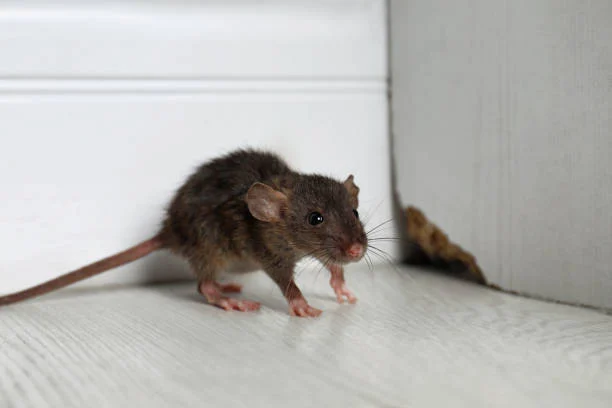
Rats, such as roof rats that prefer higher areas like attics, rafters, and palm canopies, and Norway rats that tend to burrow and stay closer to ground level.

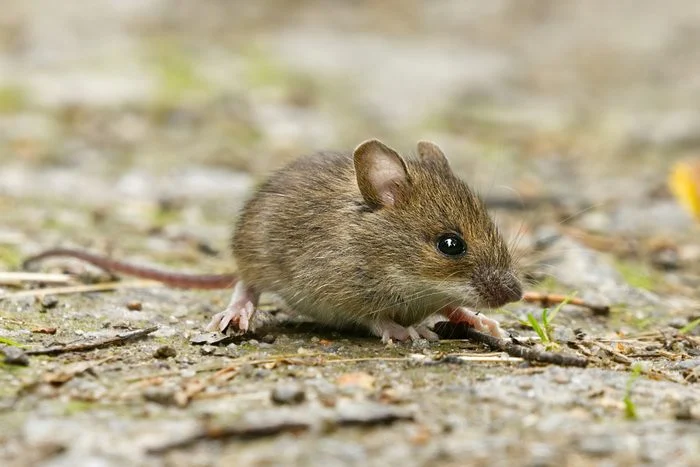
Mice, including house mice that thrive in and around structures and field mice that move between outdoor cover and indoor nesting sites.

If you are experiencing activity from other small rodents or nuisance wildlife, our team can evaluate the situation, explain what we can handle directly, and recommend or coordinate specialized services when needed.

Rodent Control FAQs

Schedule Professional Rodent Control with Island Environmental

If you are hearing scratching in the walls, noticing droppings, or simply suspect rodents are active in your home, it is better to take a closer look now. Island Environmental is ready to help with professional rodent control that removes rats and mice and focuses on long term prevention. Call our team today to schedule an inspection, or request a free evaluation online, and we will guide you through the next steps to keep your home comfortable, healthy, and rodent free.