
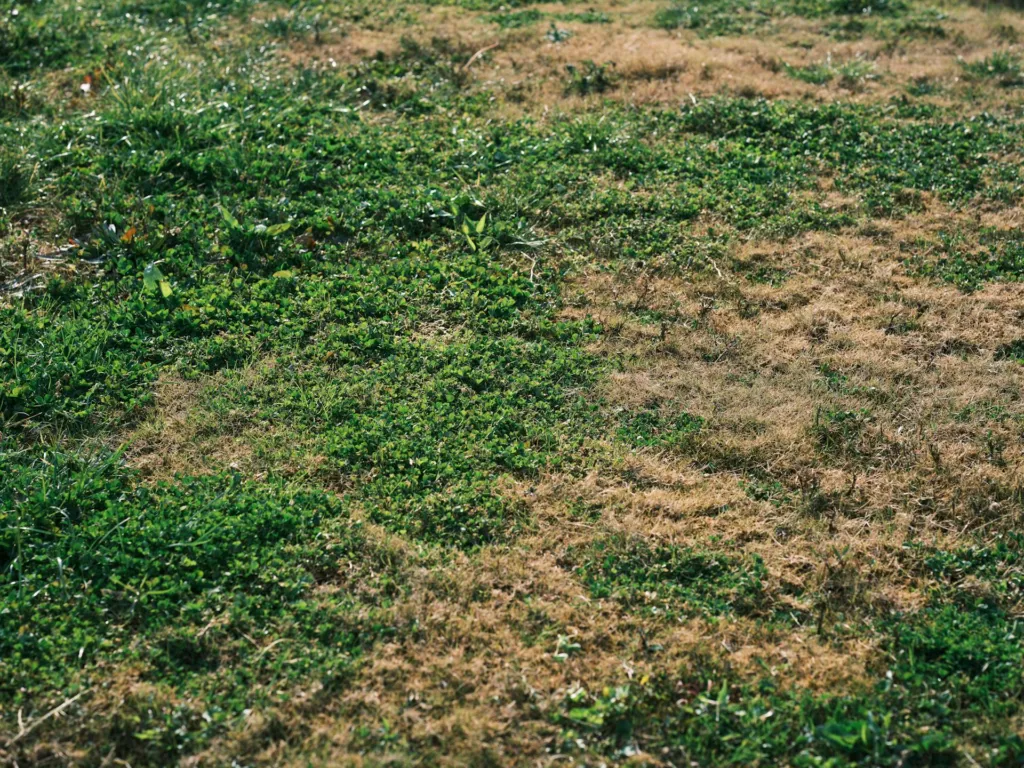
What Are These Brown Spots on My Lawn?
Discover the Solutions to Grass Discoloration in Palm Beach, FL
There’s nothing more irritating than a beautiful green lawn that suddenly has brown spots on it. Palm Beach homeowners confused by these mysterious blotches can breathe easy knowing they're not alone. These brown spots could signal a lawn disease, lawn maintenance mistakes, and more.
Fortunately, finding out what's truly taking place below ground is no problem if you team up with the professionals at Island Environmental. Keep reading to find out more about brown patches and discover how to fix them!
Common Factors That Cause Brown Spots
1. Fungal Infections
Florida’s hot and muggy climate offers the perfect atmosphere for fungus, which can rapidly turn lush green lawns into brown spots. Be on the lookout for these culprits:
Brown Patch & Large Patch
These aggressive fungal diseases result in expanding rings of dead grass. They can impact huge amounts of your lawn in a short while, especially if the humidity is high.
Dollar Spot
Despite its seemingly fun name, this fungal infection is nothing but. It leaves coin-sized brown spots that grow and merge into bigger spots of dead grass.
Varieties of Leaf Spot
In particular, St. Augustine grass is really affected by these fungal diseases. The symptoms? Blade yellowing and distinct dark spots that soon become brown.
Spring Dead Spot
This fungus lies dormant during all of the cold winter months and then reveals dying circular areas when spring rolls around for warm-season grass varieties.
Fairy Rings
Although these mysterious rings seem magical, they really show where the underground fungi are decomposing organic matter beneath your grass.
2. Environmental Factors Working Against Your Turf
Compacted Soil
Constant foot traffic as well as high soil density impede the development of root structures from getting oxygen and nutrients.
Excess Thatch
When dead grass piles up faster than natural decay processes, it forms a dense layer that blocks water and nutrients from getting to the soil.
Drought & Heat Stress
Extreme temperatures in Florida, as well as irregular rain, might put the grass in a “survival mode” of dormancy, causing it to turn brown.
Uneven Watering
Where there are problems with irrigation or uneven watering, there will be some areas that become dry or brown.
Pet-Related Damage
When our four-legged pets go to the bathroom on our grassy yard, it creates a concentrated amount of nitrogen in a distinct circular shape.
3. Insect Invaders
Even the smallest insects are capable of doing major harm to your lawn. The usual culprits to keep tabs on are:
- Caterpillars or Grubs: These are curved caterpillars that eat the grass root systems, causing extensive areas of dead grass that can be easily uprooted.
- Chinch Bugs: Only visible if closely inspected, chinch bugs draw moisture off grass blades, causing them to become dried and tan.
- Sod Webworms & Armyworms: These bugs eat grass blades and stems at a really fast rate.
Diagnosing Brown Spots in Palm Beach, Florida
Before you treat the exact issue, accurate identification saves time and money. Here’s how you can figure out what’s been plaguing your lawn.
The Tug Test for Grubs
Take a piece of the brown grass and try to peel it back carefully. When it easily separates like loose carpeting, it’s possibly a grub problem. (Those white, C-shaped worms in the soil.) When healthy grass is present, it’s firmly rooted in place.
Studying Patterns of Grass Blades
Fungal disease causes symptoms to manifest in characteristic spots on grass blades, such as dark spots, lesions, or rings. Chinch bug damage tends to progress in a graduated manner from green grass to yellow to brown grass.
The Screwdriver Test for Compaction
Use a typical screwdriver and try to drive it six inches into your soil in both the normal and brown spots. You should have no problem driving the screwdriver into healthy soil. If not, compacted soil is definitely a part of the problem.
Moisture Level Evaluation
Check the moisture levels in the soil by excavating test holes. Brown spots on the lawn indicate drought-stricken areas, evident by the bone-dry soil deeper in the holes. Fungal development is usually found in waterlogged soil close to the surface.
Brown Spot Lawn Restoration Methods
- Fungus First Aid
If you notice signs of a problem with fungi, be sure to treat it immediately with a good fungicide. But applying a fungicide is only the first step. You also have to work to correct problems which led to fungi becoming a problem in the first place.
Be mindful of the timing of your applications. Most fungal diseases will need to be treated multiple times to fully get rid of the problem. Also, try to avoid treating the disease during the hottest time of the day to avoid stressing the grass too much.
- Perfect Your Irrigation Strategy
Opt for a rain gauge or smart irrigation controller that monitors watering according to current weather and recent rainfall. Fungi can thrive in overwatered areas, while underwater living plants are stressed by the sun and pests, making grass less resilient.
Remember to also monitor water usage across your lawn. Ensure that the sprinklers are turned off while walking through your property to detect areas receiving inadequate coverage. If spray patterns are overlapping, water is wasted and it’s easier for diseases to take hold.
- Address Soil Compaction
Yearly aeration and dethatching in Florida can really improve the overall health and moisture content in your lawn. Through aeration, oxygen and nutrients can more easily get to where they are needed most…the root zone.
- Proper Mowing
Keep these few mowing tips in mind:
- Respect the "one-third rule" regarding blade height.
- Maintain extremely sharp mower blades.
- Keep nutrient-rich grass clippings on the lawn.
- Change your mowing pattern to avoid soil compacting along the tracks and promote upright grass growth
- Strategic Fertilization
A tailored feeding regimen strengthens grass resilience against different stressors. You can even measure the current nutrient levels and pH of soil by conducting a soil test every two to three years.
The sandy soils of Florida frequently lack essential micronutrients such as iron, manganese, and magnesium. However, these elements are essential for the production of chlorophyll and for plant growth. So the addition of micronutrients like this to your lawn can make it more vibrant and resistant a variety of diseases.

The Best Ways to Prevent Brown Lawn Spots
You should inspect your property weekly for early signs of damage, such as minor discoloration, unusual growth patterns, or small affected areas. Do this before they turn into larger issues!
And don’t forget that preventive treatments for your Florida property are best suited to the specific patterns that emerge. Cookie-cutter formulas or one-size-fits-all services won’t cut it!
Say So Long to Brown Spots
Some brown spot issues can be handled by a handy, DIY homeowner, but professional help is often the smartest solution. If your lawn isn't responding to treatments (or you'd rather not play guessing games), contact Island Environmental today! We proudly serve the greater West Palm Beach area, ensuring high-quality lawn care and pest control services for these communities: